Where Toro Got Its Name: Yoshino Sushi Honten, Nihonbashi
On a quiet office street behind the Takashimaya department store in Nihonbashi, a row of indigo noren curtains sways in the doorway. They read Yoshino Sushi Honten in bold white letters. Toro, the word sushi lovers everywhere now use for fatty tuna, is said to have been born behind these curtains.
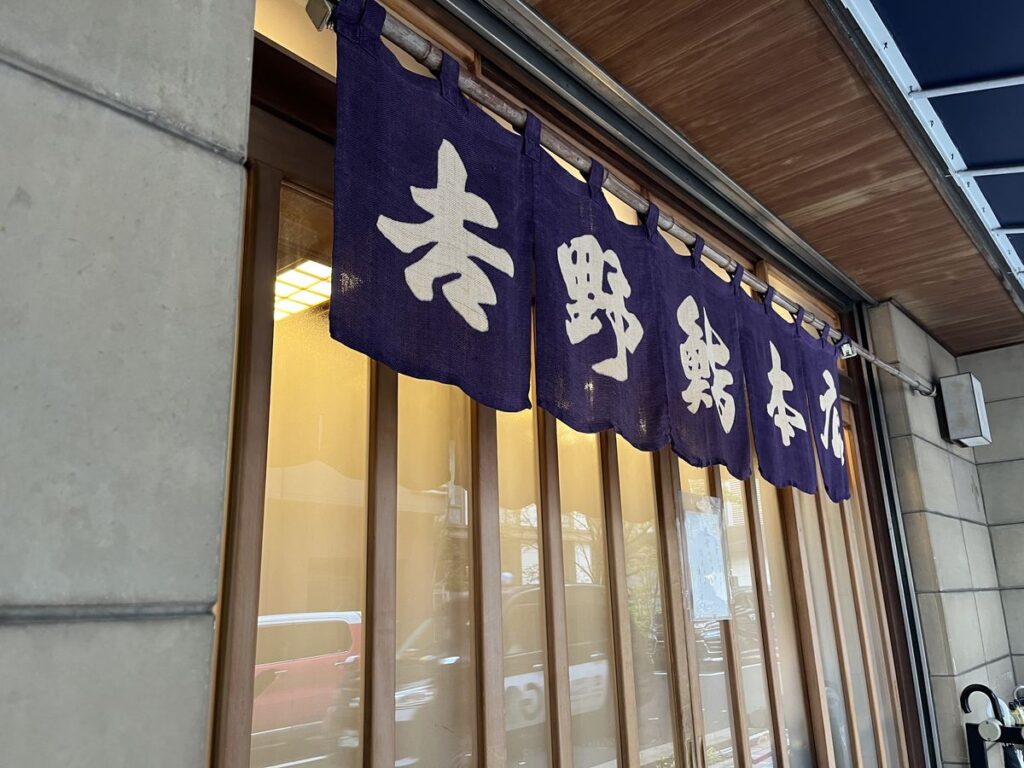
A sushi house since 1879
Yoshino Sushi opened in Nihonbashi in 1879, the twelfth year of the Meiji era. Edomae sushi, the style of old Tokyo, began as street food: quick bites from stalls, Edo’s version of fast food. Yoshino carries on that tradition and has been making sushi here for more than 140 years. Today the fifth generation of the Yoshino family runs the restaurant.
Nihonbashi was once home to Tokyo’s great fish market. The city has changed beyond recognition since then, through the Meiji, Taisho and Showa eras, but this counter has never let go of the basics of Edomae sushi.
The day fatty tuna became “toro”
Today fatty tuna is the star of any sushi counter, but in the Edo period it was considered undesirable. The oily cut was called abu (from abura, “fat”) and was largely avoided.
Yoshino served it as nigiri anyway. According to the most widely told account, a customer said it melted in the mouth, toro-tto in Japanese, and the name “toro” stuck. One diner’s offhand remark spread across Japan and eventually to sushi bars around the world. Knowing that makes stepping through the curtain feel like a small pilgrimage.
The restaurant opens at 11:00. I set off late and arrived around 11:30 to find a queue already formed, so I waited about half an hour outside the noren. It was not a dull wait. From inside drifted the warm, toasty smell of soy sauce simmering on the stove. Perhaps they were preparing the nikiri, the reduced soy glaze brushed onto each piece. Standing in line with that aroma, my appetite only grew.
The warmth of a neighbourhood sushi bar
Slide open the doors and you will find a counter on the left, tables in the centre and a raised tatami area with sunken seating on the right, about 30 seats in all. I took a seat at the counter. There is none of the hushed tension of a high-end omakase counter. The staff send each guest off with a warm word of thanks.
I went on a Saturday at lunchtime. A few regulars were scattered along the counter beside me, and an older couple at the back were sharing a flask of sake over their sushi in the middle of the day. Nobody was in a hurry. A 140-year-old institution, yet still part of everyday life in the neighbourhood.
Red vinegar, salt, and the craft of Edomae
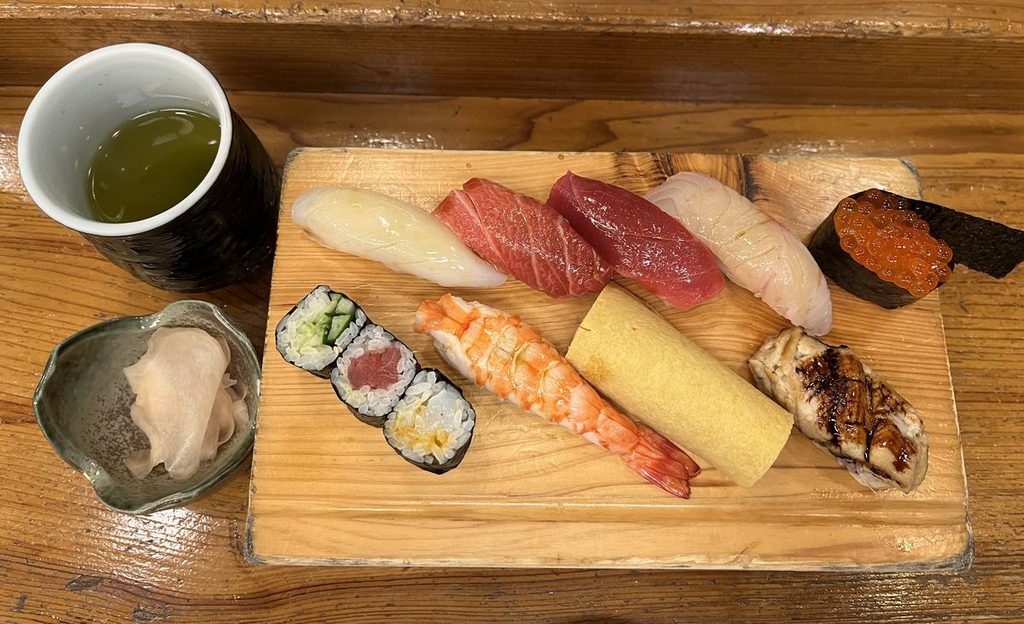
Yoshino’s sushi rice contains no sugar at all. It is seasoned only with red vinegar (akazu, made from sake lees) and salt, giving it a clean, sharp edge that lets the rice speak and lifts the flavour of the fish. The fish arrives fresh every morning.
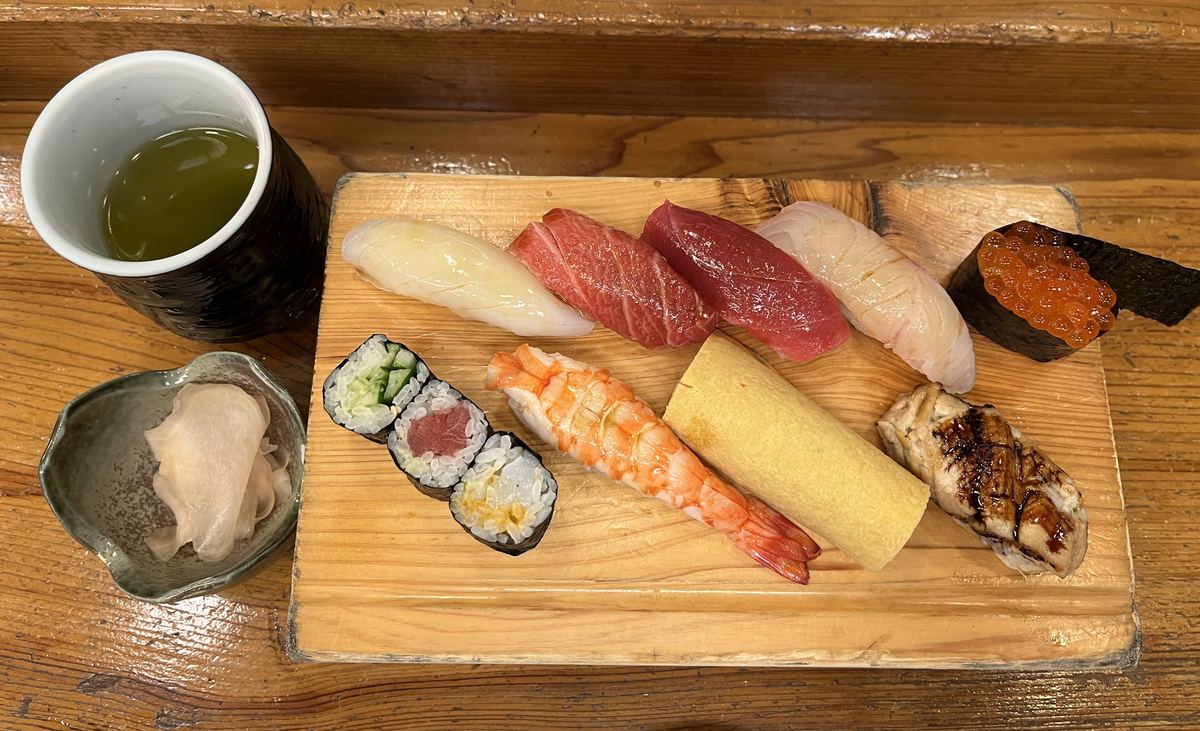
On the wooden board: toro and lean tuna, squid, white fish, a gunkan of salmon roe, poached shrimp, anago (conger eel), tamago and thin maki rolls. The star, of course, is the toro. The fat softens on the tongue and simply melts away, exactly as that customer described more than a century ago. Taste it next to the lean tuna and you will understand how different two cuts of the same fish can be.
Each piece is already brushed with nikiri (a light soy glaze) or tsume, so there is no need to dip it in soy sauce. Just eat it as the chef has finished it. That is the Edomae way.
The anago is seared over charcoal, then glazed with sweet tsume sauce. To be honest, I don’t usually like conger eel. But the smoky char and the gentle sweetness of the glaze won me over completely. Changing someone’s mind about a fish they avoid is its own kind of craft.
Don’t skip the tamago. The house-made omelette is draped over the rice so that it hides it completely, and it is blended with shrimp paste, a small example of the patient work behind traditional Edomae sushi.
Beyond the set, I ordered two extra pieces: kohada (gizzard shad) and aji (horse mackerel). Kohada is the fish that defines an Edomae sushi bar, and here it was cured in vinegar just right, with a soft hint of yuzu citrus. The vinegar never overpowered the fish. The aji was fresh and tender, with none of the strong taste that oily fish can have, and the grated ginger on top was perfectly measured. I could hardly taste any wasabi, but nothing was missing: the fish and the rice spoke for themselves.
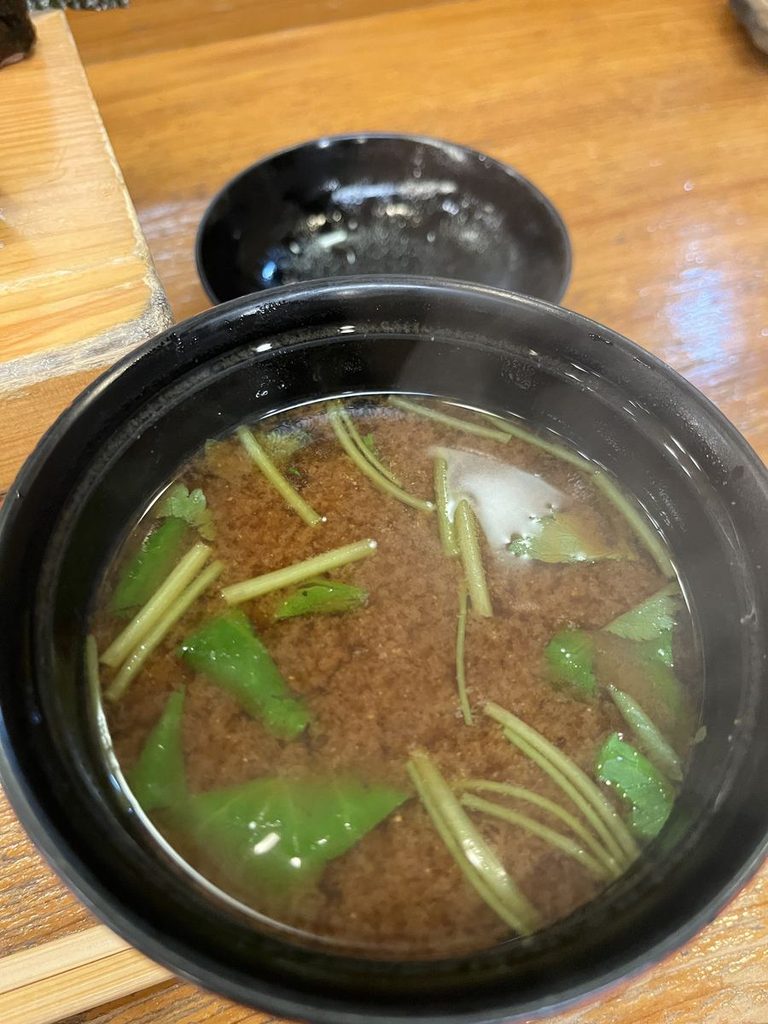
The sushi comes with akadashi, a dark red miso soup, here with fragrant mitsuba herb, silky nameko mushrooms and soft tofu.
The real surprise was the gari, the pickled ginger. It had no sweetness at all, just a clean, bright sourness. It seemed to be made without sugar, and it was the first time I had tasted gari like that. Then it occurred to me: in the Edo period, sugar was a costly luxury. The people who ate sushi at street stalls two centuries ago probably cleansed their palates with ginger that tasted just like this. A sliver of pickled ginger, and suddenly old Edo felt close.
Between pieces, refresh your palate with the gari and hot green tea, and take your time over every last bite.
Before you go
- Go for lunch: There are four lunch sets, from 7 pieces (in the high ¥2,000s) and 8 pieces (¥3,300) up to 11 pieces (around ¥6,000) at the time of my visit. That is good value for a historic Edomae sushi house. On Saturdays it is open for lunch only.
- Arrive at opening: Doors open at 11:00. When I arrived around 11:30 on a Saturday, there was already a queue and I waited about 30 minutes. To skip the wait, aim to be there when they open.
- Bring cash: A sign at the entrance says lunch is cash only.
- Language: When I visited, the menu and everything else were in Japanese only, and there were no other foreign visitors. If you don’t speak Japanese, it helps to write down the names of the fish you want (toro, kohada, aji, anago, tamago) or show them on your phone.
- Order extra pieces: You can add individual pieces after your set. Kohada and aji are highly recommended.
- Allergies: The tamago contains shrimp paste. If you have a shellfish allergy, let the staff know when you order.
- How to eat: Pick up nigiri with your fingers or chopsticks and eat it in one bite. Since each piece is already seasoned, there is no need for extra soy sauce.
- Walk it off: Nihonbashi Takashimaya is just around the corner, and the tea house of Yamamotoyama, a tea merchant founded in 1690, is close by for a cup of green tea after lunch.
Information
| Name | Yoshino Sushi Honten (吉野鮨本店) |
|---|---|
| Founded | 1879 |
| Address | 3-8-11 Nihonbashi, Chuo-ku, Tokyo |
| Access | About 2 min walk from Nihombashi Station (Ginza, Tozai and Asakusa lines) |
| Hours | Mon–Fri 11:00–14:00, 16:30–21:30 Sat 11:00–14:00 |
| Closed | Sundays and public holidays (also some days in summer and over New Year) |
| Phone | +81 3-3274-3001 |
Hours, holidays, prices and payment methods may change. Please check the official website before visiting.
Back through the curtain, Nihonbashi returns to its ordinary weekday rhythm. But the sweetness of the melted fat and the bright edge of the red vinegar linger a little longer. A single remark became a word, and the word has been passed down for more than a hundred years. That, too, is something time has pressed into the rice here: its yoin.